
Introduction: Understanding IVF Treatment
In vitro fertilization (IVF) is a widely recognized and effective method of assisted reproductive technology (ART) that has transformed the lives of countless couples struggling with infertility. This comprehensive guide will delve into the details of IVF treatment, exploring its process, success rates, and related factors that can influence outcomes. By gaining a deeper understanding of this cutting-edge fertility solution, you can make informed decisions about your journey toward parenthood.
The IVF Process: Step-by-Step Guide
- Initial Consultation and Assessment The journey begins with an in-depth consultation with a fertility specialist, who will assess your medical history, perform tests, and recommend personalized treatment options. This assessment helps identify any underlying fertility issues that need to be addressed before proceeding with IVF.
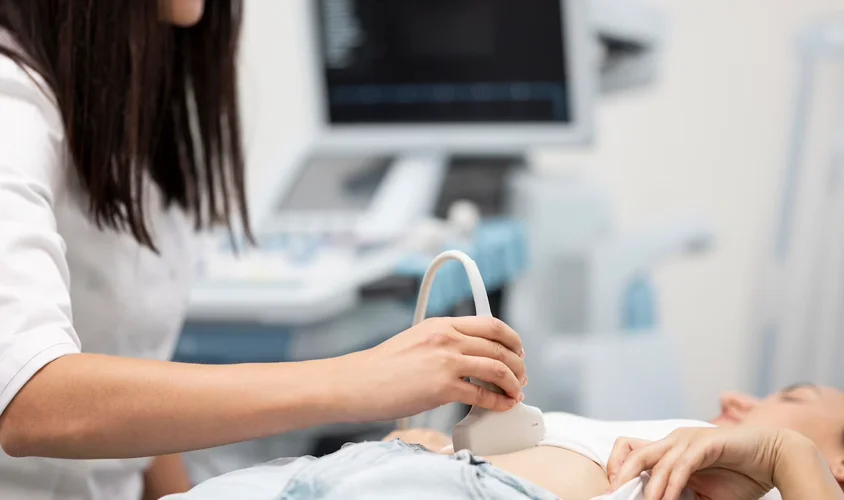
- Ovarian Stimulation and Monitoring To increase the chances of successful IVF, the woman’s ovaries are stimulated using hormone injections, encouraging the development of multiple mature eggs. Regular monitoring through blood tests and ultrasounds ensures optimal egg development and determines the best time for egg retrieval.
- Egg Retrieval A minimally invasive procedure, egg retrieval involves using a thin needle to collect mature eggs from the ovaries. This is typically performed under sedation to ensure the patient’s comfort.
- Fertilization and Embryo Development The retrieved eggs are combined with sperm (from the partner or a donor) in a laboratory setting. Fertilization occurs either by direct contact or through a technique called intracytoplasmic sperm injection (ICSI), where a single sperm is injected into an egg. Successfully fertilized eggs develop into embryos over the next few days.
- Embryo Transfer Once the embryos have reached a suitable stage of development, one or more are carefully transferred into the woman’s uterus. Any remaining viable embryos can be frozen for future use.
- Pregnancy Test and Follow-up About two weeks after the embryo transfer, a blood test is performed to determine if the woman is pregnant. If the test is positive, ongoing prenatal care and monitoring will be provided by the fertility clinic and obstetrician.
Factors Influencing IVF Success Rates
IVF success rates can vary depending on several factors, including:
- Age: Younger women typically have higher success rates, as the quality and quantity of eggs decline with age.
- Fertility Issues: The underlying cause of infertility may impact the chances of IVF success.
- Lifestyle Factors: Smoking, excessive alcohol consumption, and obesity can negatively affect IVF outcomes.
- Quality of Sperm: Poor sperm quality or low sperm count can hinder fertilization and embryo development.
Costs and Insurance Coverage
The cost of IVF treatment varies depending on factors like the clinic, location, and individual circumstances. Some insurance plans may cover part or all of the expenses, so it’s crucial to review your coverage and explore financial assistance options if needed.
Conclusion: Embracing the IVF Journey
IVF treatment has emerged as a revolutionary solution for couples facing fertility challenges, offering renewed hope for those longing to start a family. By understanding the process, risks, and factors that can influence outcomes, you can make well-informed decisions about your fertility journey. While the road to parenthood may not always be smooth, embracing the IVF journey can ultimately lead to life-changing results.